Applied AI / Frontend
- 2026
- DeepLabV3+ · API · UI
- Five-person research
- Non-diagnostic prototype
Overview
A research workspace for reviewing how a model maps the spine.
MIRO was a five-person master's research project. I built the DeepLabV3+ branch shown here, its FastAPI service, Next.js interface, and deployment. Teammates built the additional models and shared research pipeline.
Built with
- Next.js 16
- TypeScript
- Tailwind CSS 4
- GSAP
- Three.js
- FastAPI
- PyTorch
- DeepLabV3+
Research scope
Define the task before showing a result.
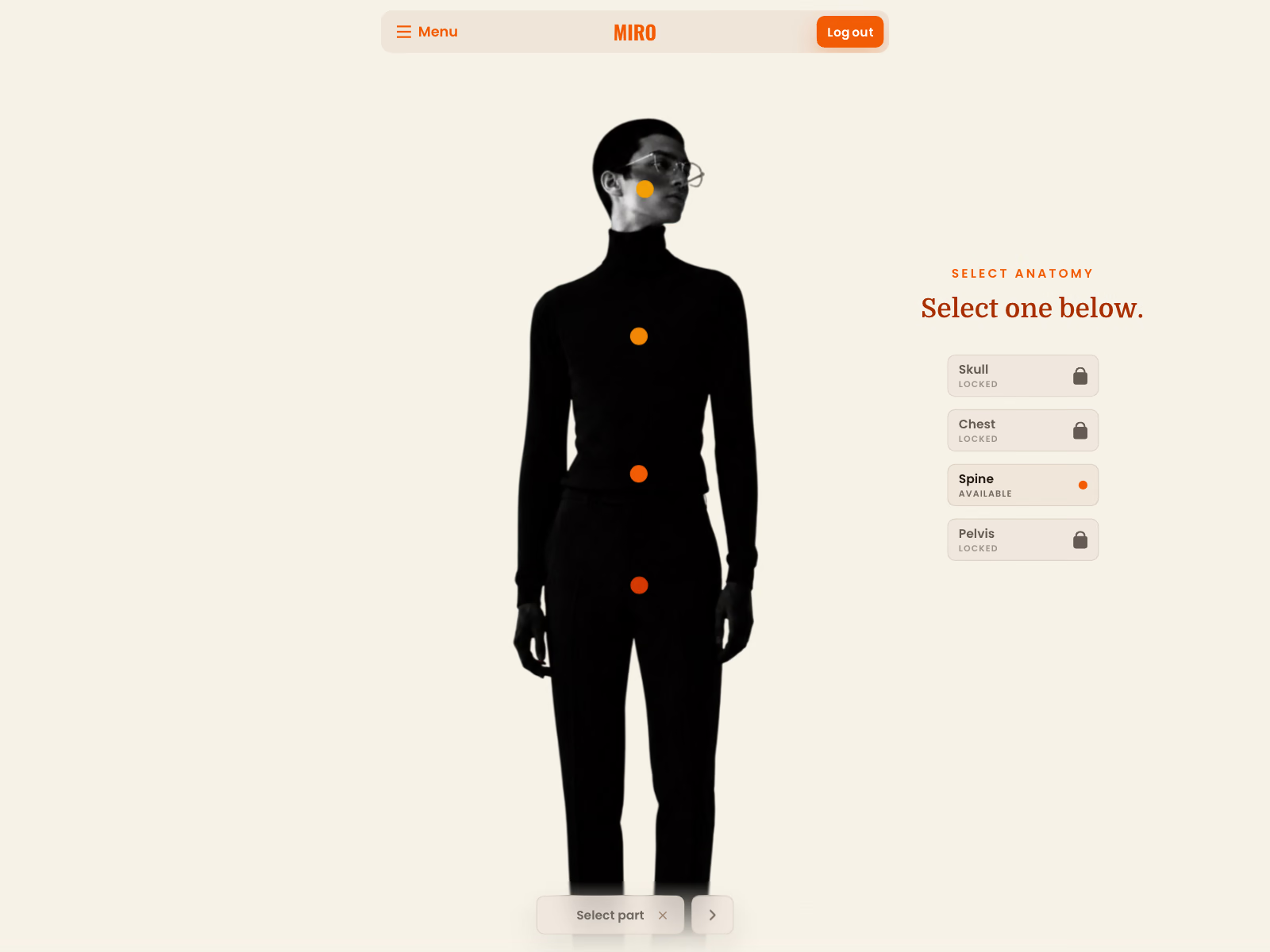
MIRO begins with the spine workflow, the only anatomy module available in this prototype. The task is clear before an image or model output appears.
From input to review
One radiograph. Four working files.
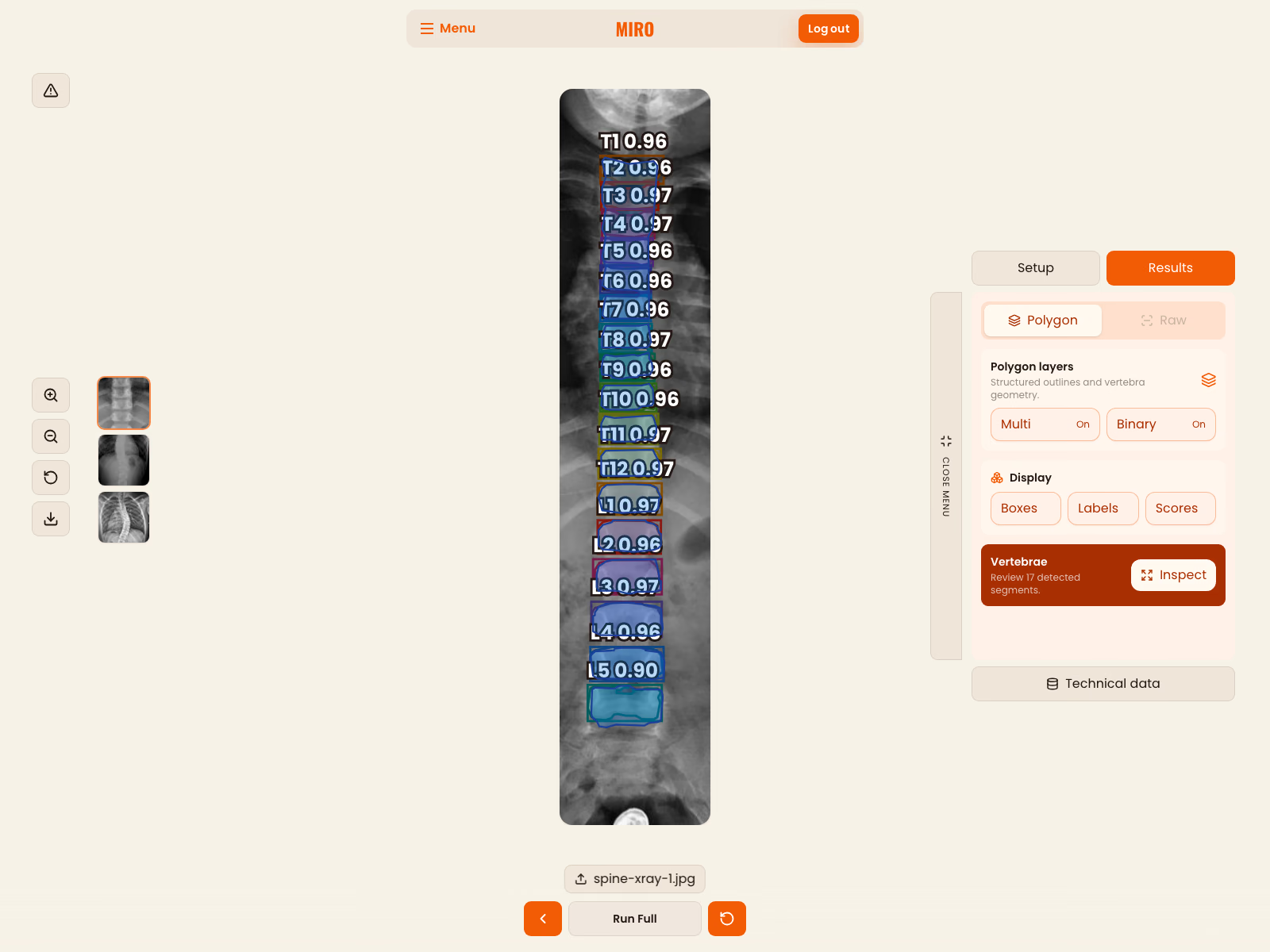
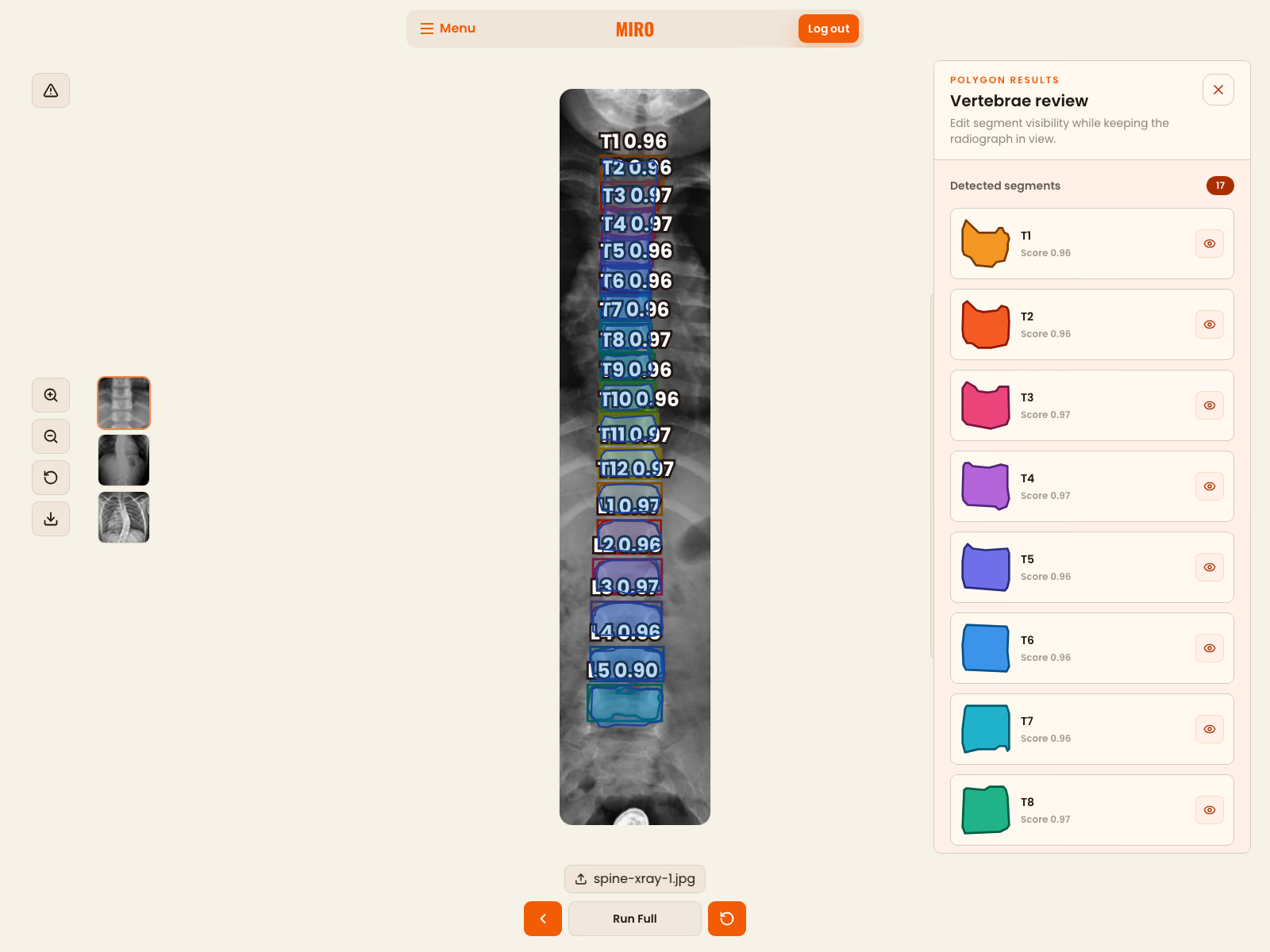
Follow one approved demonstration radiograph from upload to result review. Each file shows one step of the same workflow.
Step 01 / add image
Input
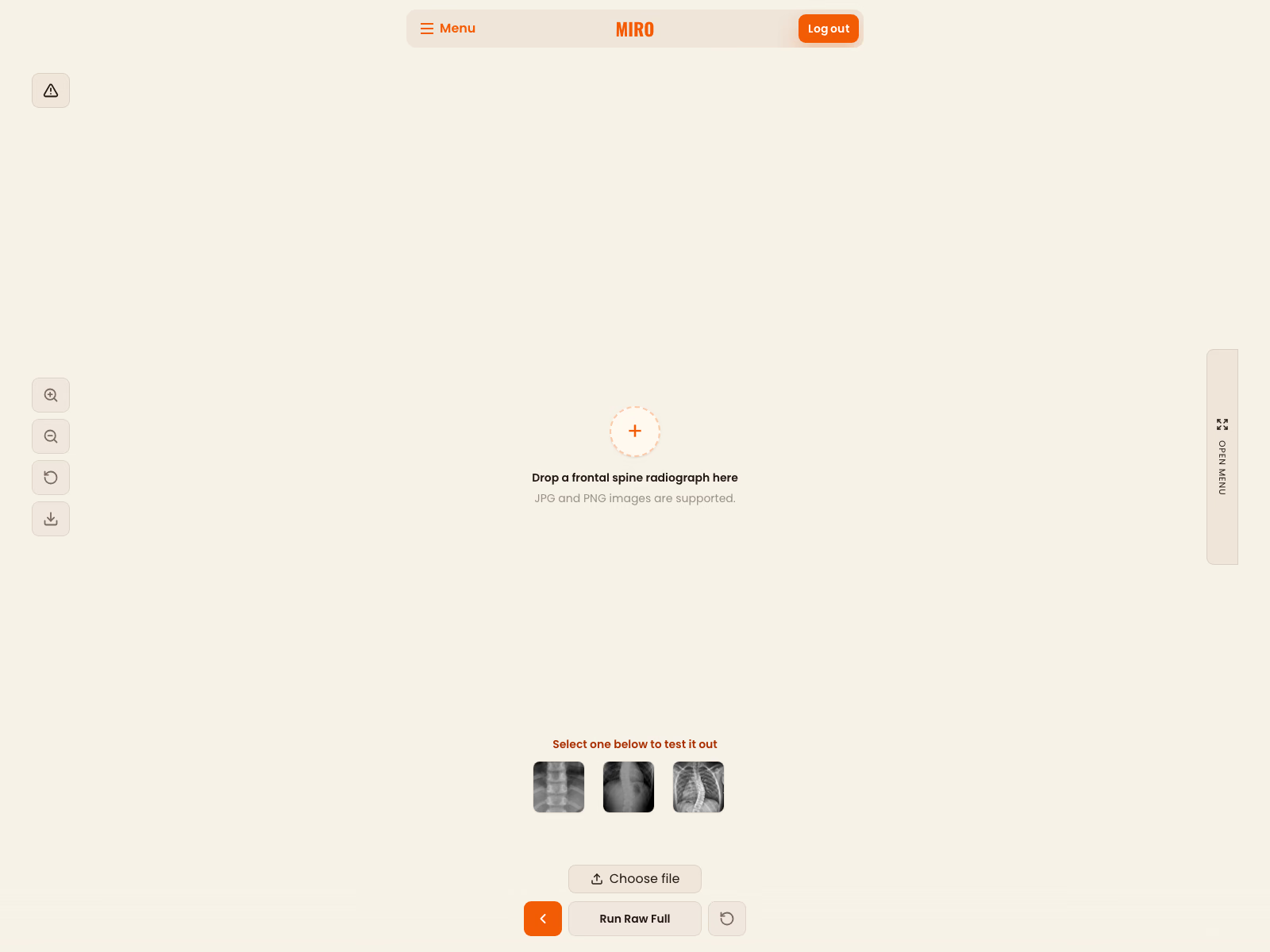
Add one approved radiograph.
The workspace holds the source image before MIRO runs the model. At this point, the page shows no result, label, or score.

The protected workspace holds the source before any prediction is shown.
Non-diagnostic research prototype. Visible scores are model outputs—not diagnostic confidence or clinical accuracy.
My implementation
The presented branch, end to end.
I carried the presented DeepLabV3+ work from model experiments to a deployed review interface.
01
Train and evaluate
DeepLabV3+ binary and T1–L5 multiclass experiments.
02
Serve the branch
Six FastAPI modes expose raw-mask and polygon outputs.
03
Protect the connection
A server-side Next.js proxy keeps backend details out of browser code.
04
Make outputs inspectable
Layers, labels, boxes, scores, zoom, and vertebra review.
Beyond the inference workspace.
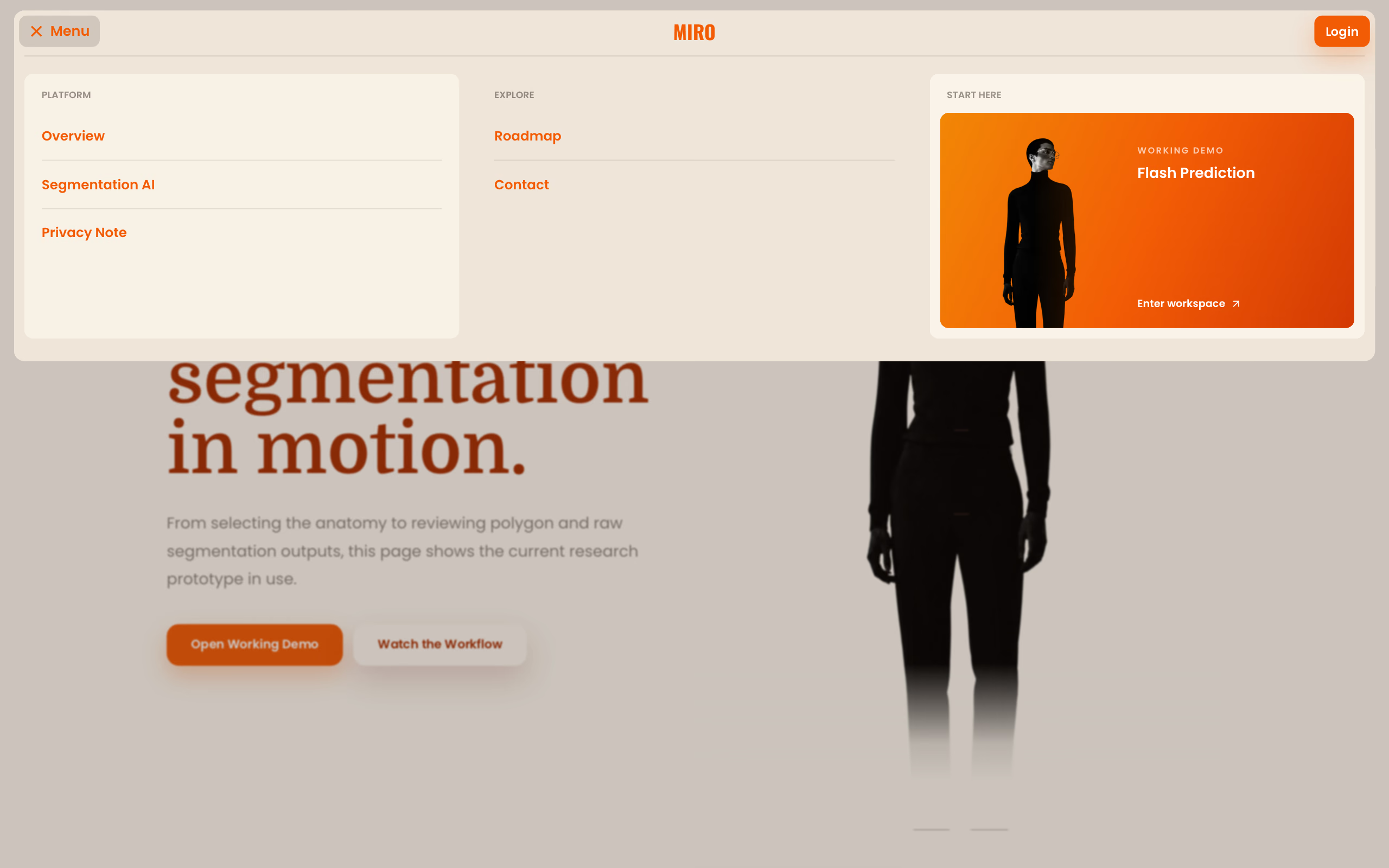
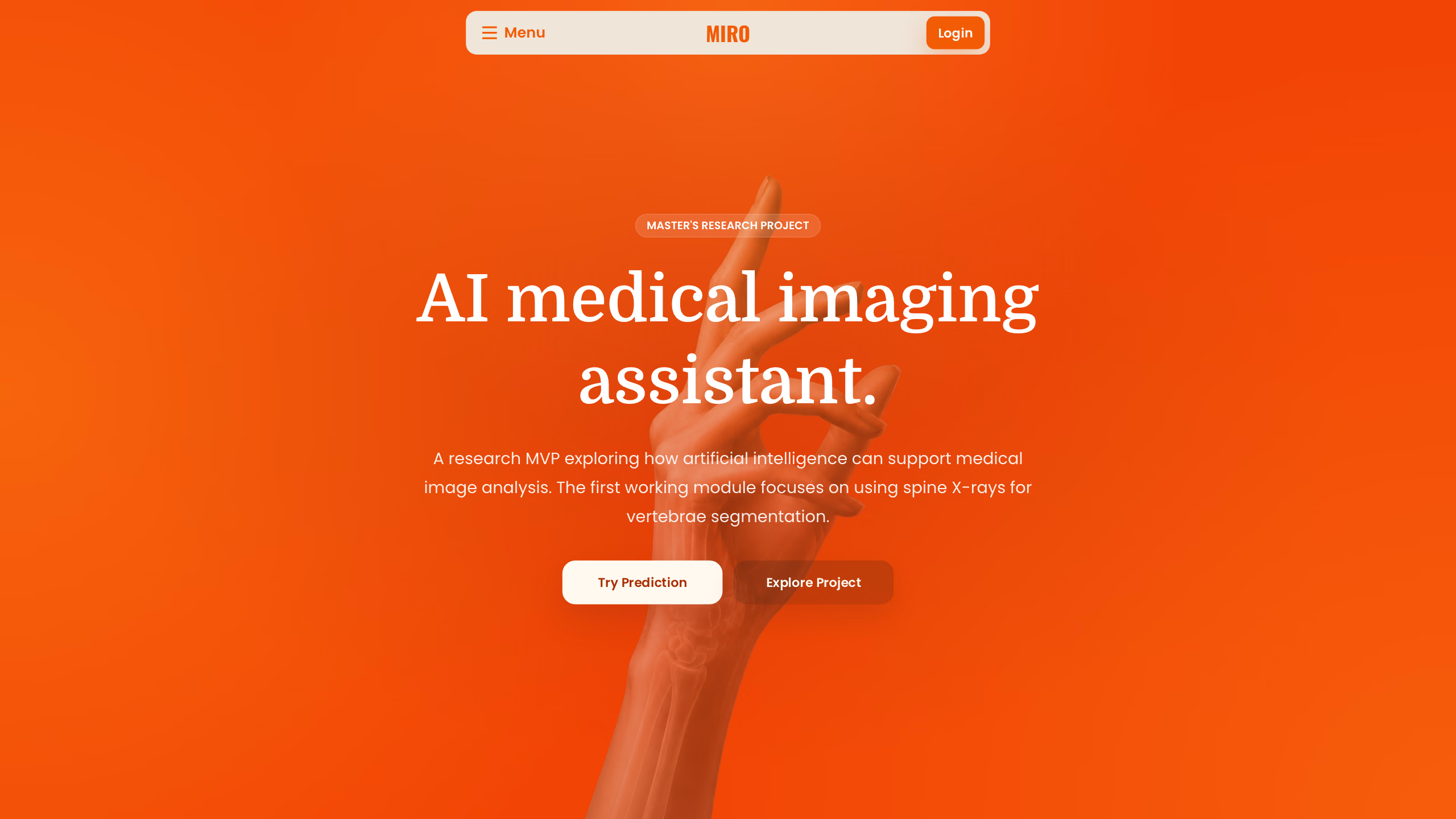
Public pages, navigation, and additional review views complete the MIRO experience.